Overnight Desert Safari in Dubai: What It's Really Like
Sleeping under the stars near Dubai: the full overnight timeline, sleeping setups, what to pack, the best season, stargazing tips and who it's perfect for.
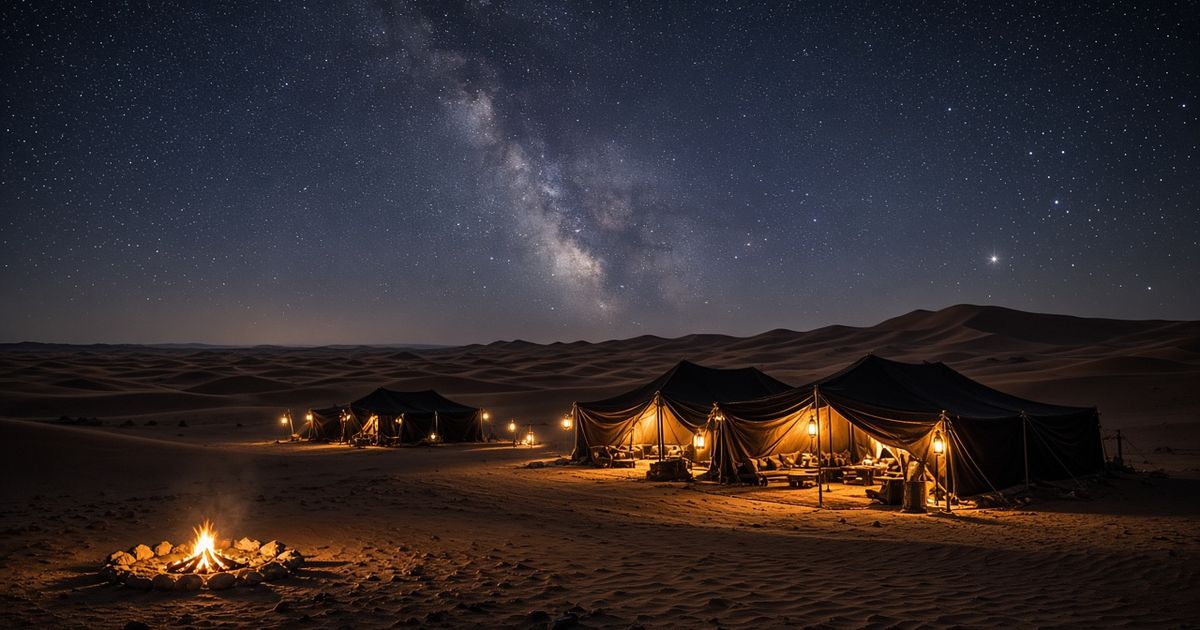
There's a moment on every overnight safari when the day-trip vehicles have driven away, the music has stopped and the camp lights are turned down. The desert goes completely quiet. Then you look up. For many people that silence, and the sky full of stars that follows, is the most memorable part of their time in Dubai. Here's what an overnight desert safari is really like, from pick-up to sunrise.
Who an overnight safari is for
An overnight trip suits anyone who wants more than a few hours on the dunes: couples looking for something romantic, photographers chasing night skies and sunrise light, families with older children who love an adventure, and travellers who want to slow down. If you're short on time or prefer hotel comforts, an evening safari may be a better fit.
Pros
- Quiet, starry night far from city lights
- Sunrise over the dunes, the softest light of the day
- Relaxed pace with no rush back to the hotel
Cons
- Facilities are simpler than a hotel
- Takes up a full afternoon, night and morning
- Winter nights can be cold; summer nights stay warm
How the night unfolds
1. Afternoon pick-up
You're collected from your hotel or a nearby pick-up point in the afternoon and driven out of the city. As the buildings thin out, the landscape changes to open sand and low shrubs.
2. Dune drive and sunset
At the edge of the dunes, drivers usually lower tyre pressure, then take you on a dune drive. Ask for gentle or adventurous, depending on your group. You'll stop on a high dune to watch the sunset, the best moment for photos.
3. Camp activities
At camp, the evening programme typically includes camel rides, sandboarding, henna, traditional dress for photos and refreshments. This is the liveliest part of the night, often shared with evening-safari guests.
4. Dinner and entertainment
Dinner is usually a buffet with grilled items, rice, bread, salads and desserts, followed by live entertainment. Tell us about dietary needs in advance.
5. The quiet hours
After the evening guests leave, things change. Lights are dimmed, the music stops and the camp settles. This is the time for conversation around a fire, stargazing and simply listening to the desert.
6. Sleep
Depending on your package, you'll sleep in a tent or on bedding under the open sky. Desert nights are very quiet, but expect a few natural sounds: wind on the sand, an occasional animal call.
7. Sunrise and breakfast
Set an alarm before dawn. The first light turns the dunes pink, then gold, and long shadows sculpt every ridge. After sunrise there's breakfast, a chance to explore the dunes on foot, then the transfer back to the city. Want to see sunrise from the air? Try an overnight safari with a sunrise balloon ride.
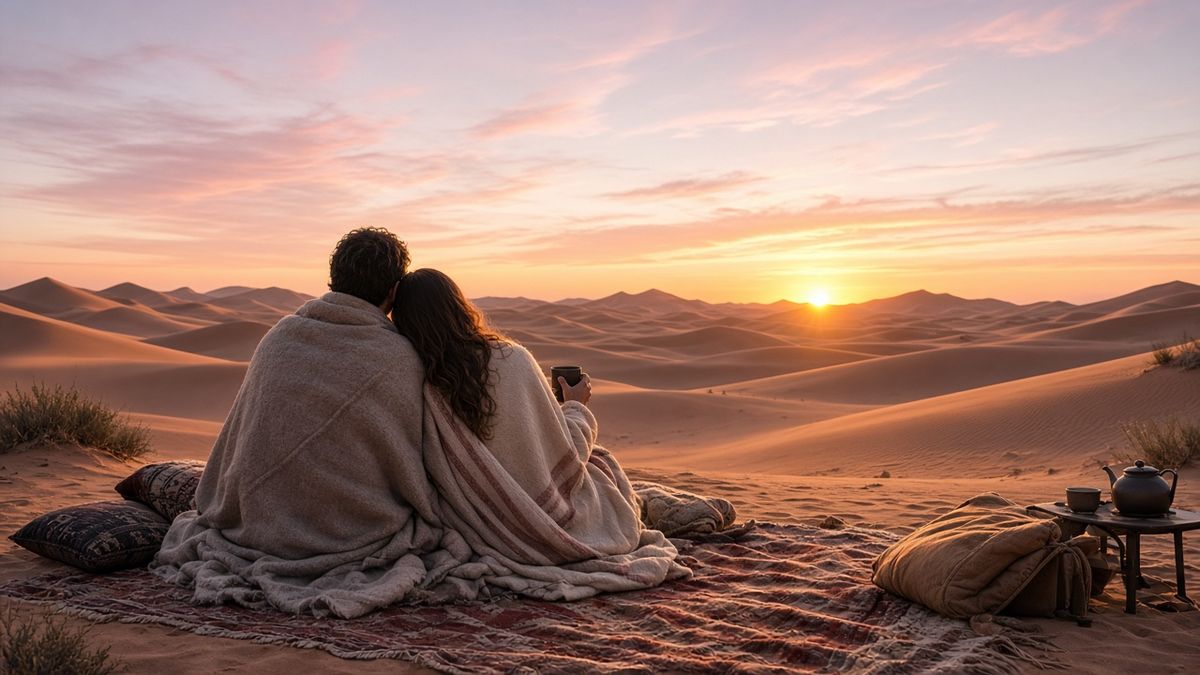
Where you'll sleep
Overnight setups vary widely, so it's important to know what you're booking:
| Setup | What to expect | Good for |
|---|---|---|
| Open-air bedding | Mattresses and blankets under the stars | Stargazers, adventurous travellers |
| Simple tent | Basic shelter with bedding | Most travellers, cooler nights |
| More comfortable tent | Beds, more space, sometimes private facilities | Couples, families, special occasions |
Ask about washrooms, showers, power for charging and whether bedding is provided. Facilities vary by camp and package.
Stargazing tips
The desert's distance from city lights makes stargazing far better than in town, although the glow of Dubai may still be visible on the horizon depending on location and direction.
- Give your eyes time. It takes around 15 to 20 minutes for night vision to adjust. Avoid looking at your phone screen.
- Use red light. If you have a headlamp with a red mode, use it. It preserves night vision.
- Check the moon. A bright moon washes out faint stars. Nights around the new moon are best for the Milky Way.
- Use an app. A star-chart app helps you identify planets and constellations.
- Look for satellites. On a clear night you'll often see them moving steadily across the sky.
For camera tips, see our desert photography guide.
Best time of year
October to April is the best period. Winter nights, especially December to February, can be cold. Pack properly and you'll be cosy. In summer, nights are warm and sometimes humid. It's still possible, but less comfortable for sleeping. See our best time guide for a month-by-month view.
What to pack
- Warm layer (fleece, hoodie or jacket) and socks
- Comfortable sleepwear
- Toothbrush, toothpaste, small towel and wet wipes
- Headlamp or small torch, ideally with a red-light mode
- Phone power bank (charging may be limited)
- Sunglasses, sunscreen and lip balm for the next morning
- Any personal medication
- A small daypack and zip bags to keep things sand-free
Our what to wear guide has a full clothing checklist.
Etiquette at camp
- Keep noise down after the quiet hours begin. Others may be sleeping or stargazing.
- Ask before photographing staff or other guests.
- Don't leave litter in the dunes, and take any rubbish back to camp.
- Follow staff guidance on fires, lights and walking around at night.
Overnight vs evening safari
| Evening safari | Overnight safari | |
|---|---|---|
| Time in the desert | Afternoon to night | Afternoon to next morning |
| Atmosphere | Lively, social | Lively, then very quiet |
| Stargazing | Brief | Extended, best after midnight |
| Sunrise | No | Yes |
| Comfort | Back to your hotel bed | Camp facilities |
Making it special
An overnight safari is a popular choice for anniversaries, proposals and birthdays. If you're celebrating, tell us. A private setup, a quieter corner of camp or a little extra attention can turn a great night into an unforgettable one.
Questions to ask before you book
- What exactly is the sleeping setup? Open air, a simple tent or something more comfortable?
- Is bedding provided? Pillows, blankets, sleeping bags?
- What are the washroom facilities? Toilets, showers, running water?
- Is there power for charging? If not, bring a power bank.
- What's included for dinner and breakfast? Mention dietary needs.
- What time is pick-up and return? This helps you plan the next day.
- Is the camp shared or private overnight? Some camps host several overnight groups.
- What happens in bad weather? Know the rescheduling policy.
Clear answers to these questions mean no surprises. You can relax and enjoy the night.
Sleeping well in the desert
A good night's sleep on the sand is mostly about preparation. Layer up before you get cold: put on socks and a warm top before bed rather than waiting until you wake up chilly at 3 a.m. Keep a torch within reach so you don't have to search for it in the dark. Use earplugs if you're a light sleeper. The desert is quiet, but camps, wind and fellow guests are not always silent. Keep your shoes inside or in a bag overnight so you're not shaking sand (or the occasional insect) out of them in the morning. Drink water in the evening too: dry desert air can leave you thirsty. Finally, go to bed earlier than you think. Sunrise comes early, and you'll want to be awake for it.
Final thoughts
An overnight desert safari isn't about luxury. It's about space, silence and seeing the sky the way people have seen it for thousands of years. Pack a warm layer, put your phone away for a while and let the desert slow you down. The sunrise will be your reward.
Prefer instant online booking?
Book on GetYourGuide
Hand-picked tours with free cancellation options and verified reviews.
- Overnight Safari, Dinner, Stargazing & Al Khayma CampCheck availability →
- Overnight Desert Safari with Sunrise Balloon RideCheck availability →
- Overnight Dubai Desert Safari with BBQ DinnerCheck availability →
- Sunrise Hot Air Balloon Flight with Camel Ride & BreakfastCheck availability →
Disclosure: some links on this page are GetYourGuide affiliate links. If you book through them we may earn a small commission at no extra cost to you.
Frequently asked questions
Where do you sleep on an overnight safari?
It depends on the package: anything from mattresses and bedding under the open sky to tents ranging from simple to more comfortable. Ask exactly which setup your booking includes.
Are there toilets and showers at the camp?
Established camps usually have washroom facilities. Showers may or may not be available, depending on the camp. Confirm when booking if this matters to you.
Is it cold at night?
From roughly December to February, desert nights can be cold. Bring a warm layer and socks even if bedding is provided. In summer, nights stay warm.
Is an overnight safari safe?
Organised overnight safaris run at established camps with staff on site. Follow camp guidance, keep a torch handy and don't wander far from the camp area in the dark.
What time do you get back to the city?
Typically mid-morning after sunrise and breakfast, but timings vary by package and season. Your confirmation will include the return time.
Can children do an overnight safari?
Many families enjoy overnight trips, especially with older children. Tell us your children's ages so we can recommend a suitable camp and setup.
Explore Dubai Desert Team
Local desert guides and safari planners based in Dubai. We write what we tell our own guests — no fluff. About the journal.
Related stories
Experiences
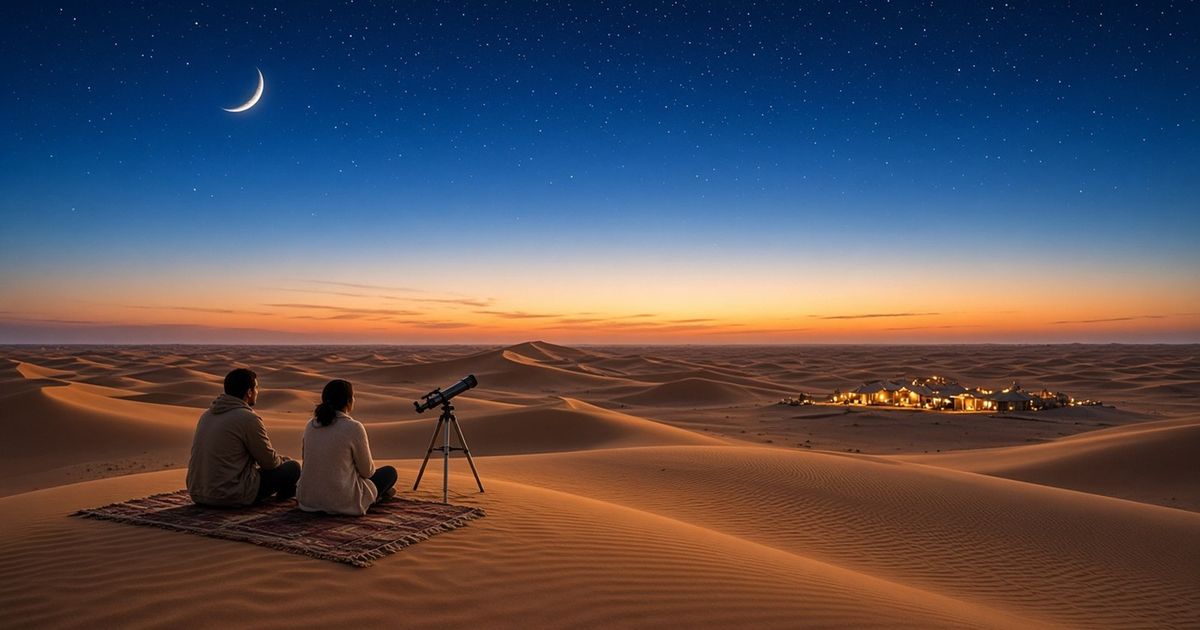
Stargazing in the Dubai Desert: Best Spots, Dates & Tips
Plan stargazing in the Dubai desert: the darkest spots near Dubai, Milky Way season, 2026-27 meteor shower and new moon dates, guided tours and what to pack.
22 Oct 2026 · 10 min read
Experiences
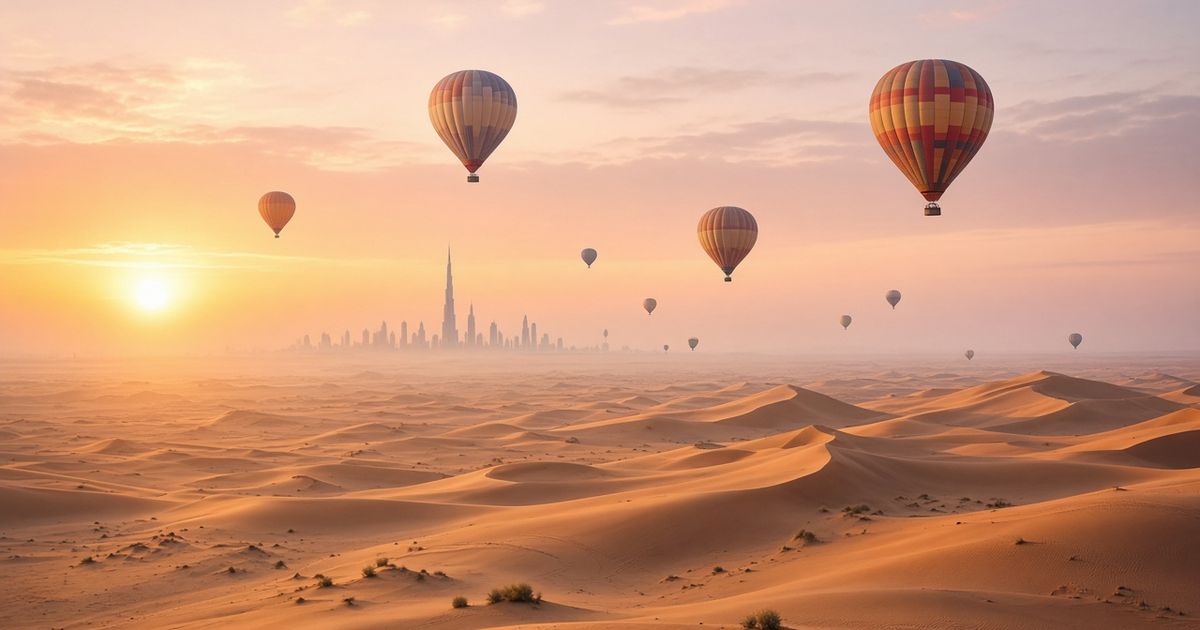
Hot Air Balloon Dubai: A Sunrise Flight Over the Desert
Planning a hot air balloon ride in Dubai? Flight times, what happens on the day, age and health rules, season, what to wear and how to choose a balloon package.
20 Oct 2026 · 5 min read
Experiences
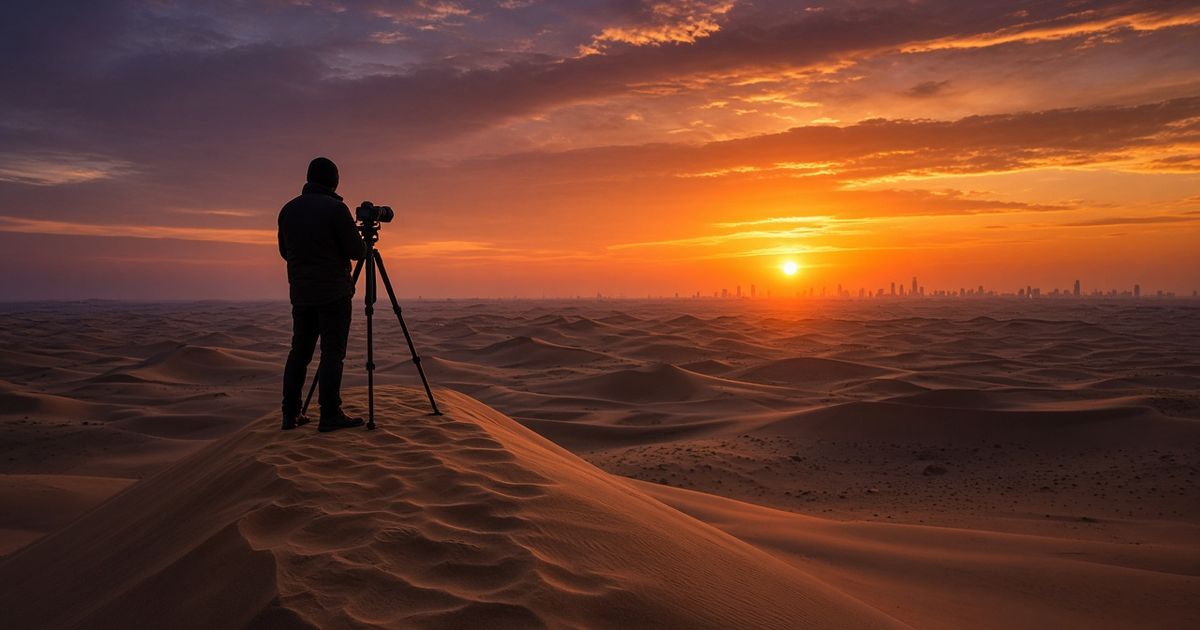
Desert Safari Photography: 12 Tips for Stunning Dune Photos
Phone and camera tips for golden hour, dune bashing action, camel silhouettes, portraits and night skies in the Dubai desert, plus how to protect your gear from
30 Sept 2026 · 7 min read